
Remembering why LGBTQ+ inclusion should be part of organisations' culture and values
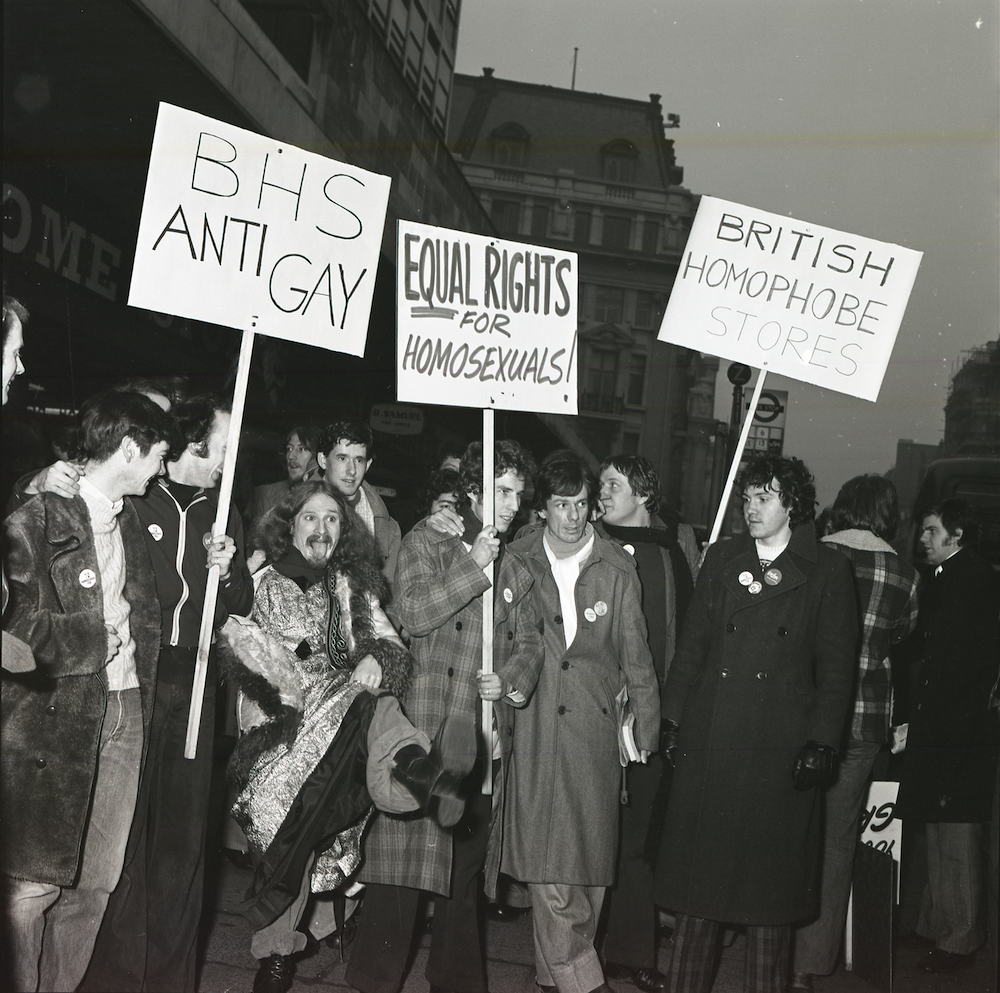
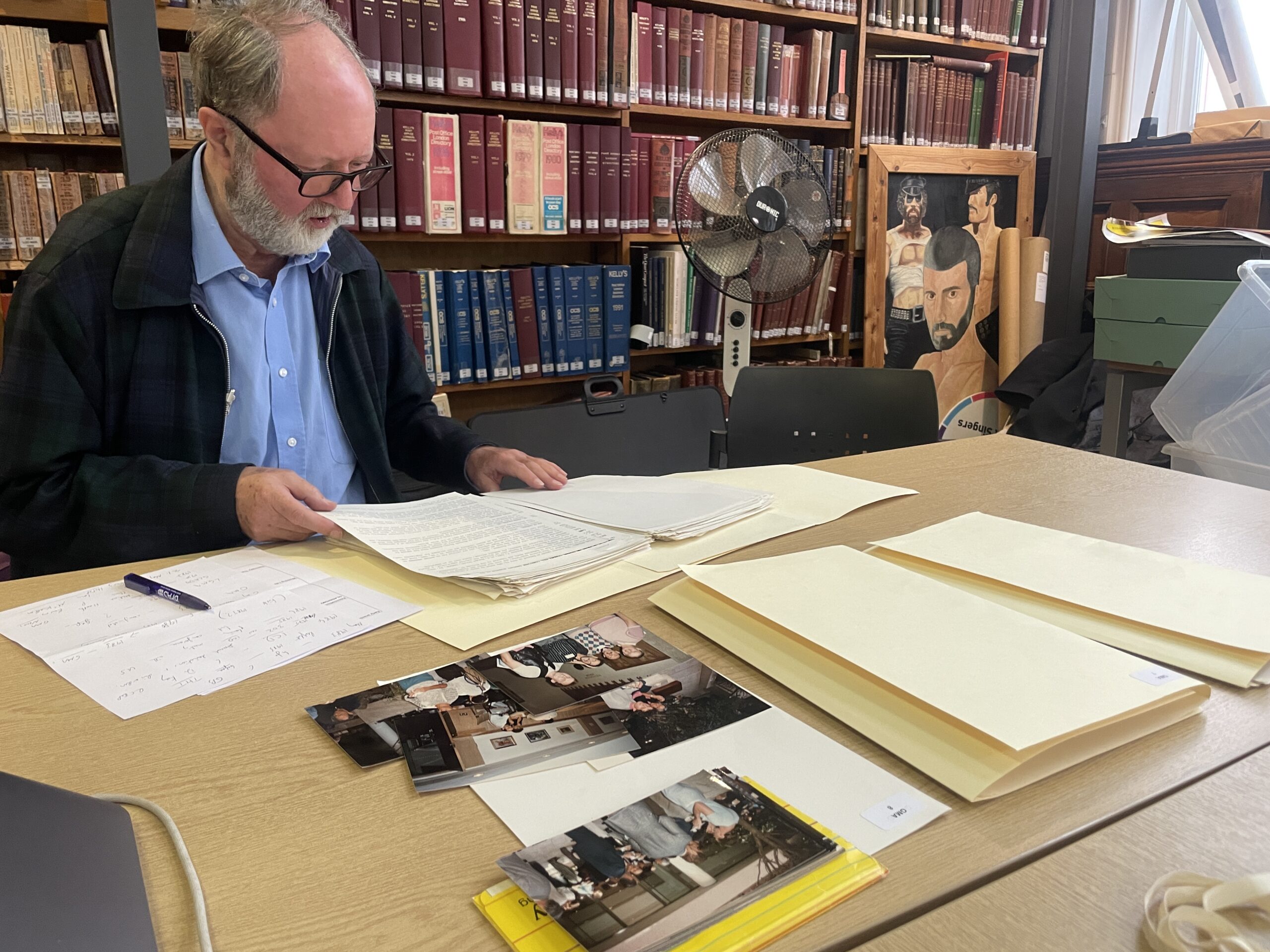
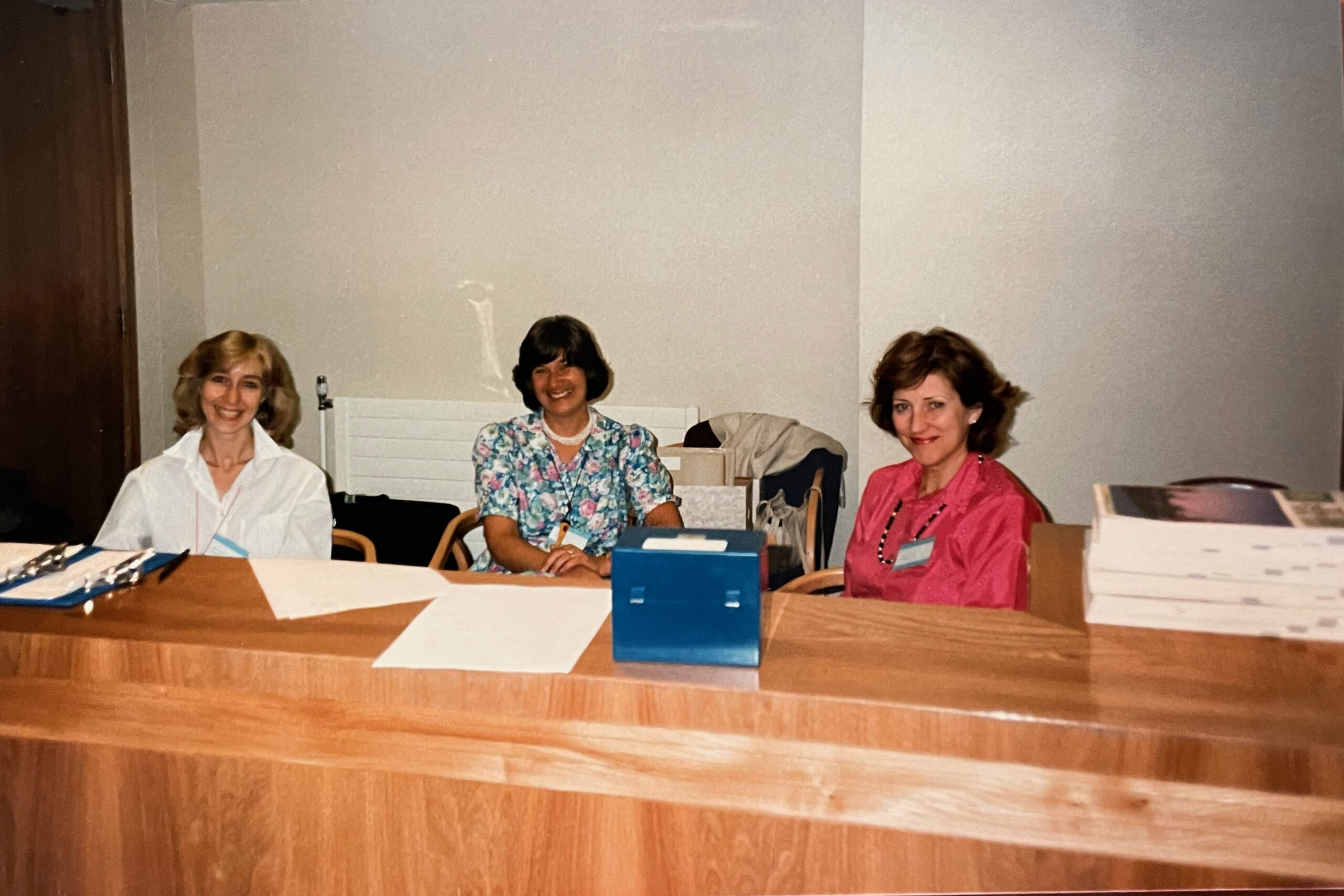
Everyone has the right to be themselves at work. But we’re living in a moment when many companies are withdrawing their support for LGBTQ+ people — and I’ve no doubt that this makes some of their LGBTQ+ staff members feel like they should hide. It’s as if we haven’t learnt from history, from stories like that of Tony Whitehead who was made to feel unwelcome by the department store he worked in because he was gay. Tony’s story is one of hundreds that I’ve collected in the course of my work for Aunt Nell.
I’ve been there myself: hiding my full self at work, to keep the peace, to stay on course with the expected career progression. Tony fought back in 1976, and so I have to keep fighting back today.
Since I went freelance, I started collaborating independently with people and organisations, and I co-founded the company Aunt Nell. All of our work has been about collecting stories, not just LGBTQ+ ones, and sharing them. This is why I find it galling that companies who for so long used stories to talk about LGBTQ+ Pride now downplay them. It was only ever window dressing, wasn’t it?
Companies’ social media mentions for Pride, for what they’re worth, are down 92% since 2023, according to a Guardian report. And on the grapevine I’ve heard of specific big companies in tech and entertainment pulling their donations to a crucial project in LGBTQ+ culture and history in the UK — all because it’s become politically risky to do so.
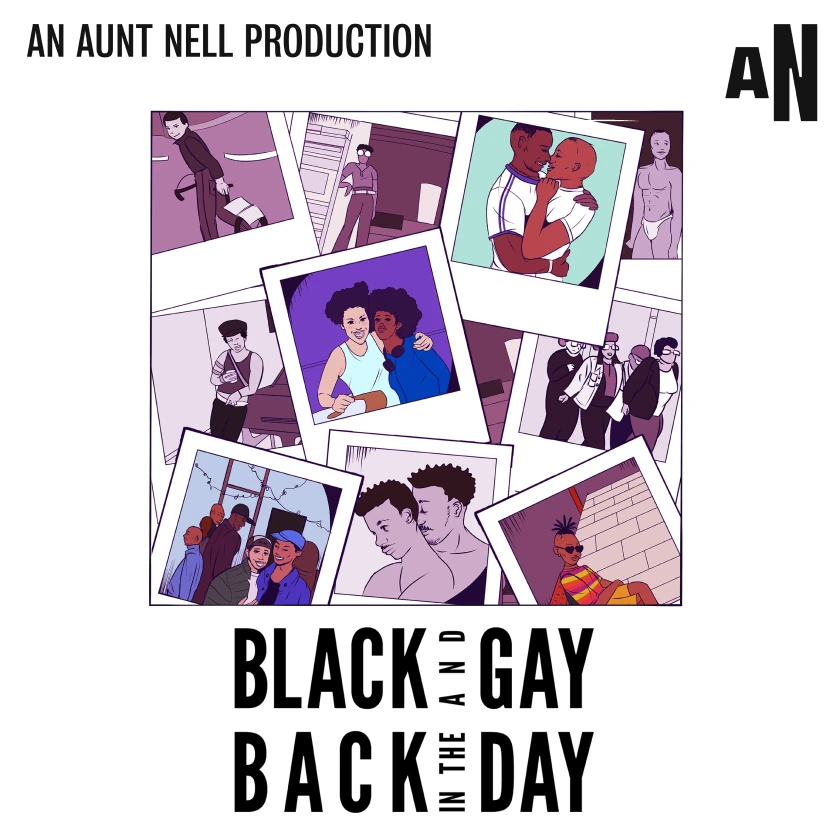
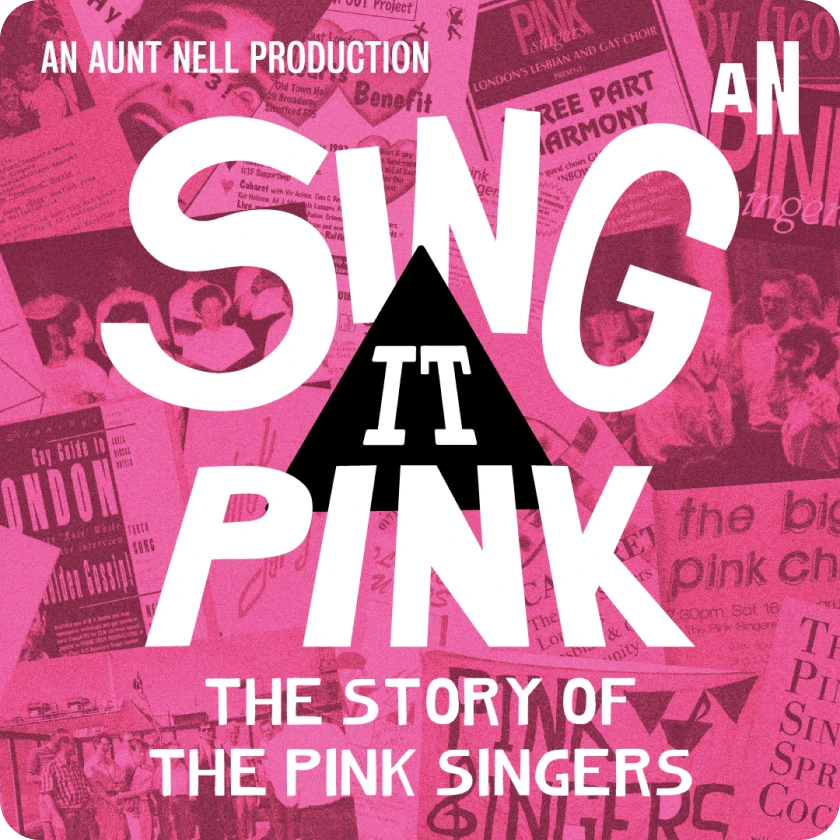
Well, Aunt Nell is politically risky I guess. Our pioneering and award-winning podcast series are risky. Our community storytelling events are risky. The book I’ve recently co-authored with Tash Walker is risky. They’re all risky because they bring voices from the margins into the centre, to hear people in their own words, and to encourage listening.
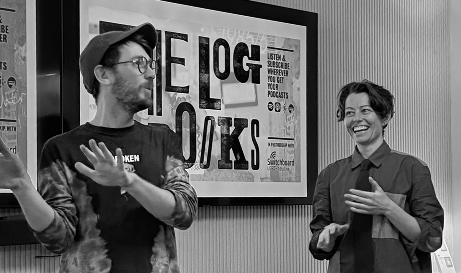
This is the same practice that Tash and I have been doing for five years now, when we respond to people inside organisations that invite us to come and talk to them and their colleagues. We’re not diversity consultants; we’re storytellers. We share the stories we collect during our work in talks, often hosted by staff LGBTQ+ networks. Attendees and storytellers alike: we all listen to each other, share LGBTQ+ histories, discuss experiences, and hear stories that have made us who we are, as a community.
February is around the corner — LGBTQ+ History Month — the perfect time to re-engage with these essential stories. What is the culture of an organisation if it is erasing stories, ignoring voices, and making people feel like they need to hide themselves?
We already have some bookings in February and beyond to share important stories. I can’t wait to do this work, and remain open to more.